

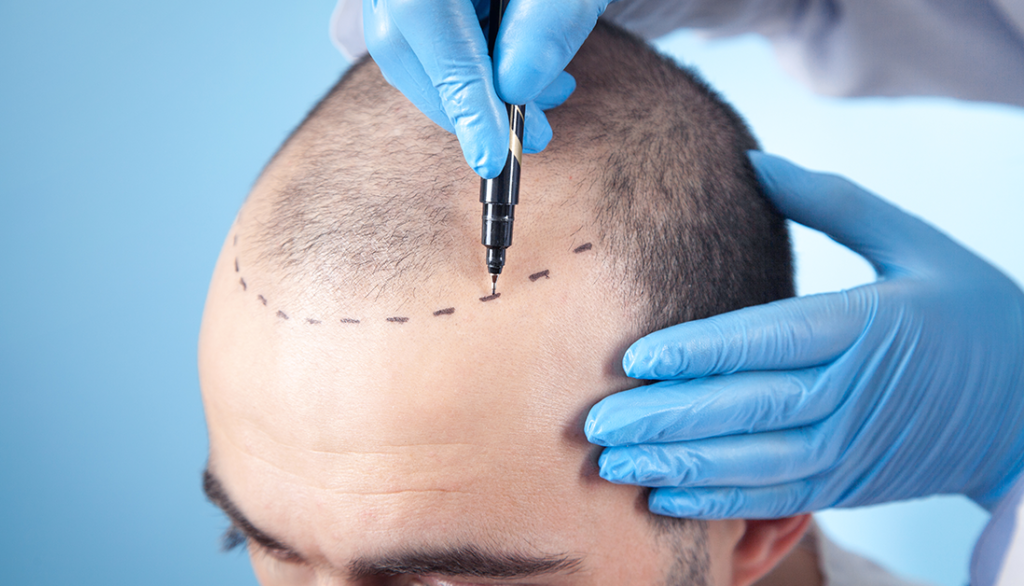
Understanding the intricacies of hair transplant procedures can be a daunting task, especially when factoring in the costs. However, comprehending the differences between the two primary hair transplant techniques – Follicular Unit Extraction (FUE) and Follicular Unit Transplantation (FUT) – can be instrumental in making an informed decision. This article will delve into the details of these two techniques and how they impact the overall Hair Transplant Cost.
Understanding the Basics of Hair Transplantation
Hair transplantation is a surgical procedure that involves moving hair follicles from one part of the body to the area experiencing hair loss. The procedure is typically used to address male pattern baldness, although it can also help those suffering from hair loss due to other factors such as injury or disease. There are two primary methods of hair transplantation: FUE and FUT.
Follicular Unit Extraction (FUE)
FUE is a hair transplant technique that involves removing individual hair follicles from the donor area (usually the back or sides of the head) and implanting them into the recipient area. This process is more time-consuming than FUT but leaves no linear scar, making it a popular choice for those who wish to wear their hair short after the procedure.
Follicular Unit Transplantation (FUT)
FUT, or strip harvesting, is a hair transplant method where a strip of scalp is removed from the back of the head, and the hair follicles are then extracted from this strip and implanted into the recipient area. While this method can lead to higher graft survival rates and is generally faster than FUE, it leaves a linear scar on the back of the head.
How the Techniques Impact Hair Transplant Cost
The cost of a hair transplant procedure is influenced by several factors, including the type of procedure (FUE or FUT), the extent of hair loss, the surgeon’s expertise, and the location of the clinic. However, the chosen hair transplant technique plays a significant role in determining the overall cost.
FUE procedures usually cost more than FUT. The reason for this is the time and skill required to individually extract and implant hair follicles in FUE procedures. The surgeon must have a keen eye for detail and a steady hand, which is reflected in the overall Hair Transplant Cost UK.
Comparing FUE and FUT: Pros and Cons
Each hair transplant technique has its pros and cons, which can affect the overall cost. FUE, for instance, is less invasive and leaves no linear scar, making it ideal for those who wish to wear their hair short after the procedure. However, it requires more time and skill, leading to higher costs.
On the other hand, FUT is faster and can yield higher graft survival rates, making it a cost-effective solution for extensive hair loss. However, it leaves a linear scar and can cause more post-operative discomfort compared to FUE.
Conclusion
Choosing between FUE and FUT comes down to personal preference, budget, and the extent of hair loss. Both techniques have proven effective in treating hair loss, but they come with different costs and considerations. It’s crucial to consult with a specialist to understand which method suits your needs and budget best. Remember, the goal is not just to replace lost hair but to do so in a way that looks natural and suits your lifestyle.
FAQs
Is FUE better than FUT?
Both FUE and FUT have their advantages. FUE is less invasive and does not leave a linear scar, making it ideal for those who wish to wear their hair short. FUT, on the other hand, can produce a higher number of grafts and is often cheaper. The best method depends on the individual’s needs and circumstances.
How much does a hair transplant cost?
The cost of a hair transplant can vary significantly depending on several factors, including the procedure type (FUE or FUT), extent of hair loss, surgeon’s expertise, and clinic location. It’s best to consult with a specialist for an accurate estimate.
How long does it take to recover from a hair transplant?
Recovery time can vary depending on the procedure type. Generally, patients can return to work within a week following the procedure. However, full recovery and hair growth can take several months.