
Morocco is a destination that defies easy categorization. It’s a place where ancient medinas whisper history alongside modern boulevards, where the silence of the Sahara meets the roar of Atlantic surf. For a first-time visitor, this complexity is a gift—an invitation to a deeply layered experience—but it also requires thoughtful planning. A haphazard approach can lead to missed connections and cultural misunderstandings, while a structured one unlocks the country’s magic.
This guide serves as that structure. It is a comprehensive Morocco travel guide designed not just to list destinations, but to frame your journey for maximum impact and comfort. We will move beyond the iconic sights to discuss the rhythm of a trip, the nuances of interaction, and the logistics that ensure smooth travel. The goal is a memorable first time visit Morocco, an adventure that feels immersive, respectful, and uniquely personal.
From crafting a balanced itinerary to navigating local customs and mastering transportation, each section provides actionable advice. Let’s explore how to transform a simple visit into a profound experience.
Crafting Your Ideal Morocco Itinerary
A common mistake is trying to see everything in one trip. Morocco’s geography and cultural density mean that rushing leads to fatigue, not enrichment. Instead, design an itinerary with a clear thematic or geographical focus. For a classic 7 to 10-day first visit, a circuit linking the imperial cities with the desert or the coast is highly effective.
The Imperial Cities & Desert Loop
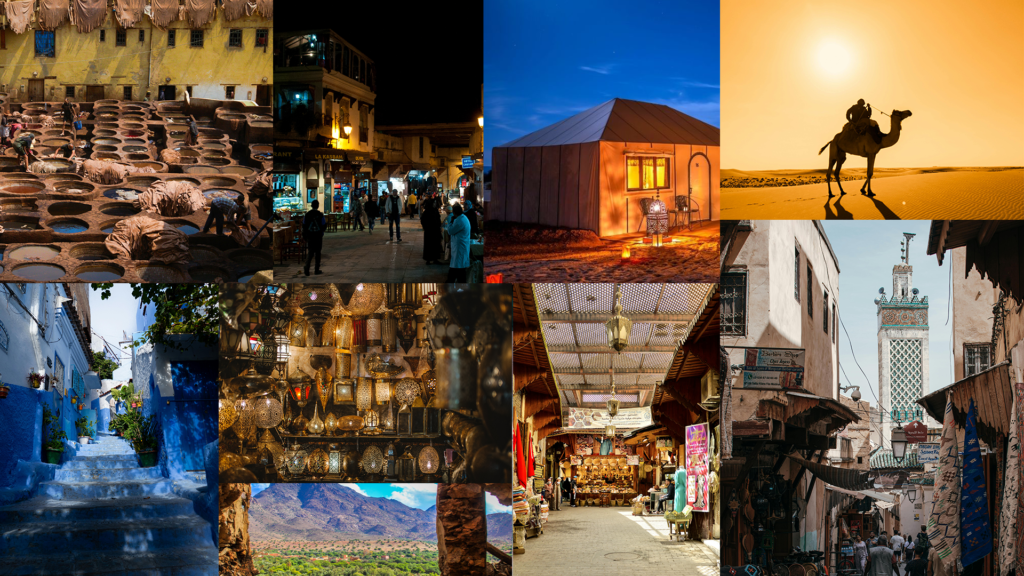
Start in Marrakech, a sensory overload of color, sound, and history. Dedicate two full days here: one for the Jemaa el-Fnaa square and the souks, another for the Saadian Tombs, Bahia Palace, and a quieter exploration of the medina’s lesser-known lanes. From Marrakech, travel east through the High Atlas Mountains via the Tizi n’Tichka pass to Ouarzazate, the gateway to the Sahara. A two-night desert excursion from here, typically including a night in a desert camp like those near Merzouga, provides the stark contrast and profound tranquility the country is famous for. Return north to Fes via the dramatic Dades Valley and Midelt.
The Atlantic Coast & Cultural North Alternative
For travelers less drawn to the desert, a northern circuit offers a different pace. Begin in Casablanca for a day to see the Hassan II Mosque, then move to the breezy, European-flavored capital of Rabat. From there, travel to the blue-washed port of Chefchaouen in the Rif Mountains, followed by several days in Fes to absorb what is arguably the world’s most complete medieval city. This route culminates in Tangier, a historic port with a vibrant contemporary arts scene, before looping back.
Regardless of your path, allocate time for transit. Moroccan roads are improving, but distances are significant. Private transfers or guided tours often provide more value and reliability for first-time visitors than navigating public buses for long hauls, especially when language barriers exist.
Understanding Moroccan Culture & Etiquette
Respect for local customs is the cornerstone of a positive experience. Morocco is a conservative, Muslim nation with a warm but formal social etiquette. Dress modestly, especially in medinas and rural areas. For women, covering shoulders and knees is advisable; for men, avoiding shorts in cities is respectful. These gestures are noticed and appreciated.
In social interaction, a degree of reserve is polite. While Moroccans are famously hospitable, initial greetings should be calm and courteous. Use basic Arabic phrases: “As-salamu alaykum” (peace be upon you) for hello, and “Shukran” for thank you. French is also widely understood in cities. When photographing people, always ask permission first—never assume it is granted, particularly with women.
The dynamics of the souk require specific understanding. Haggling is expected and part of the commercial culture, but it should be conducted with good humor, not aggression. Start at about half the initial asking price and negotiate upward to a point that feels fair to both parties. Walking away is a perfectly acceptable part of the process. Remember, the goal is a mutually agreeable transaction, not “winning.”
Deepening this cultural context is invaluable, and consulting a dedicated Morocco travel guide from a reputable source can provide more nuanced insights into regional variations and current social norms.
Practical Logistics for a Smooth Journey
Visas, Money, and Connectivity
Most nationalities, including US, UK, and EU citizens, do not require a visa for stays under 90 days. Ensure your passport has at least six months validity. The local currency is the Moroccan Dirham (MAD), which is closed; you cannot obtain it outside Morocco. Exchange money at official bureaus in airports or cities, or withdraw from ATMs, which are widely available. Credit cards are accepted in larger hotels and restaurants, but cash is essential for markets, small cafes, and taxis.
Mobile connectivity is good. Purchasing a local SIM card from providers like Maroc Telecom or Orange at the airport provides affordable data for navigation and communication. Wi-Fi is common in hotels but often unreliable in public places.
Transportation Within Morocco
Internal travel options vary. The ONCF train network is efficient, comfortable, and affordable for routes between major cities like Casablanca, Rabat, Fes, and Marrakech. For destinations without train service, CTM buses are the premium, reliable coach option. Petit taxis (small, city-bound cars) are for urban travel; ensure they use the meter or agree on a price beforehand. For inter-city trips, grand taxis (often larger shared cars) operate on fixed routes; you may need to negotiate for a private fare.
For many, especially on a First time visit morocco, hiring a private driver or booking a guided tour for longer segments simplifies logistics immensely. It removes the stress of navigation, provides a cultural interpreter, and allows for spontaneous stops at viewpoints or small villages.
Health, Safety, and Accommodation Tips
Morocco is generally a safe country for tourists, with petty crime like pickpocketing being the primary concern in crowded medinas. Keep valuables secure and be vigilant in dense areas. Solo travelers, particularly women, should exercise standard precautions: avoid walking alone in empty medina lanes at night and use registered taxis.
Health risks are low. Drink bottled water universally—tap water is not recommended for visitors. Food hygiene in established restaurants and hotels is good; street food can be excellent but choose busy stalls with high turnover. No special vaccinations are required, but having travel insurance covering medical evacuation is wise.
Accommodation choices define your trip. Riads—traditional houses converted into guesthouses within the medina—offer an immersive, beautiful experience but can be challenging to locate initially. Booking a transfer with your riad is recommended. Modern hotels outside the medina walls offer convenience and predictability. For a truly memorable stay, consider splurging on one night in a luxury desert camp or a historic palatial riad.
Must-See Experiences Beyond the Checklist
While the major cities and desert are priorities, weaving in these specific experiences adds depth:
- A Cooking Class in Fes: Learn to make tagine and pastilla, understanding the spices that define Moroccan cuisine.
- A Sunrise Camel Trek in the Sahara: Opt for a quiet, private trek at dawn instead of the larger afternoon groups for a more serene encounter.
- The Majorelle Garden & Yves Saint Laurent Museum in Marrakech: This curated space offers a moment of botanical calm and artistic history amid the city’s chaos.
- A Walk Through the Roman Ruins of Volubilis: Near Meknes, these well-preserved ruins provide a tangible link to Morocco’s pre-Arab history.
- An Evening of Gnawa Music in Essaouira: This spiritual, rhythmic music, often performed in intimate settings, is a unique cultural immersion.
Frequently Asked Questions
What is the best time of year to visit Morocco?
Spring (March to May) and autumn (September to November) offer the most ideal conditions, with warm, sunny days and cool evenings. Summer can be extremely hot, especially in the desert and inland cities, while winter brings cold nights to the mountains and desert.
Is Morocco expensive for travelers?
Morocco is a moderately priced destination. Budget travelers can manage on $40-50/day using public transport, guesthouses, and local eateries. Mid-range travelers spending $80-120/day will enjoy comfortable riads, private tours, and better restaurants. Luxury is available at significantly higher costs.
How should I handle the language barrier?
Basic French or Arabic phrases are helpful. In tourist centers, many people in the service industry speak some English. Having a translation app on your phone (like Google Translate) for offline use is a practical solution for complex interactions.
Can I travel solo in Morocco as a woman?
Yes, but with heightened awareness. Dress conservatively, avoid returning overly friendly advances from strangers, and use pre-booked transport for longer journeys. Staying in reputable, centrally-located accommodations adds a layer of security.
Is it safe to drink the tap water?
No. It is recommended that all visitors drink bottled water exclusively. Even locals often filter or boil tap water. This simple precaution prevents potential stomach issues that could disrupt your trip.
Do I need to tip in Morocco?
Tipping is customary but not as regimented as in some Western countries. In restaurants, rounding up the bill or leaving 10% is appreciated if service was good. For guides and drivers, a tip of 50-100 MAD per day of service is a standard gesture of thanks.
Conclusion
A memorable first time visit Morocco hinges on the balance between ambitious exploration and cultural sensitivity. It’s about seeing the sunset over the Erg Chebbi dunes, but also knowing how to engage respectfully with a shopkeeper in the souk of Fes. It’s about the logistics of moving between cities efficiently, leaving you energy to savor each place fully.
This comprehensive guide provides the framework for that balance. With thoughtful itinerary planning, a grasp of essential etiquette, and attention to practical details, your journey will transcend simple tourism. Morocco offers not just sights, but sensations and stories. Approach it with preparation and openness, and it will repay you with an experience that lingers long after you’ve returned home.