

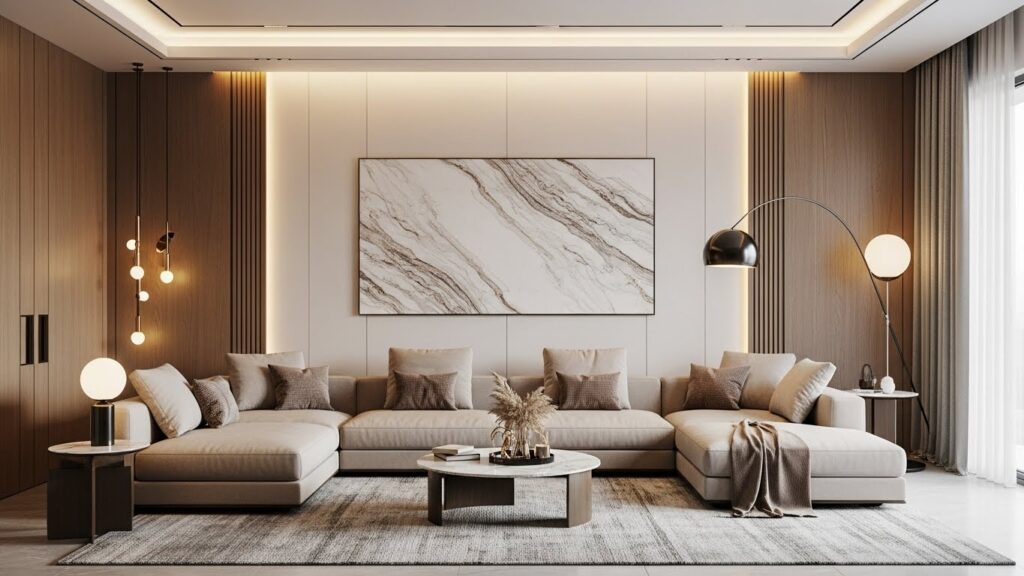
Introduction: Lifestyle, Fashion, and Interior Design in 2026
As we step into 2026, the way we approach lifestyle, fashion, and interior design is evolving at a rapid pace. In a world that thrives on change, staying ahead of the curve in these areas means embracing creativity, sustainability, and technology. From eco-conscious clothing choices to the integration of smart technology in our homes, the trends of 2026 are all about expressing individuality while keeping the planet in mind. This article will explore the best trends in fashion and interior design for 2026, offering a glimpse into the future of lifestyle choices.
Fashion Trends for 2026: What’s In and What’s Out
Fashion is no longer just about following seasonal trends; it’s about making bold statements and embracing personal style. In 2026, fashion continues to evolve, blending timeless styles with futuristic elements. Let’s dive into the top fashion trends for 2026.
Sustainable Fashion: The Rise of Eco-Friendly Choices
Sustainability is no longer just a buzzword in fashion; it’s a movement. In 2026, eco-conscious choices are dominating the industry, with brands and consumers alike shifting towards environmentally-friendly materials and practices. From organic cotton and recycled fabrics to slow fashion initiatives that focus on quality over quantity, the fashion world is prioritizing the planet without compromising on style.
Consumers are increasingly opting for sustainable brands that prioritize ethical production, fair labor practices, and reduced environmental footprints. This shift is empowering individuals to make more mindful choices and purchase items that not only look good but feel good to wear.
Bold Colors and Prints: A New Wave of Vibrance
Gone are the days of minimalist neutrals. In 2026, fashion is all about embracing vibrant hues and bold patterns. Bright colors, such as electric blues, fiery oranges, and neon greens, are making a huge comeback, bringing an energetic and playful vibe to the fashion scene. Geometric prints, animal patterns, and floral designs are being used to create eye-catching, statement-making looks.
The key to rocking these bold colors and prints in 2026 is confidence. Fashion has become a way to express personality, and what better way to do that than by incorporating dynamic shades and bold patterns into your wardrobe?
Tech-Infused Fashion: Wearable Technology Takes Over
In 2026, technology and fashion are becoming increasingly intertwined. From clothing with built-in LED lights to smart fabrics that change color based on temperature, wearable tech is revolutionizing how we think about fashion. These innovative pieces are designed not just for style but also for function, with some garments even able to monitor your health, adjust to your surroundings, or charge your devices.
Tech-infused fashion is paving the way for a more futuristic and practical approach to personal style, allowing individuals to incorporate technology into their daily wear in fun and functional ways.
Gender-Neutral Clothing: Breaking Traditional Boundaries
Gender-neutral fashion continues to rise in popularity as more people seek clothing that reflects their identity rather than traditional gender roles. In 2026, the lines between men’s and women’s clothing are continuing to blur, with a focus on versatile pieces that can be worn by anyone. Unisex clothing, oversized silhouettes, and minimalist designs are leading the charge, creating fashion that is inclusive and representative of diverse identities.
This trend is helping to foster a more inclusive society where clothing is no longer seen as confined to specific gender norms but instead as a tool for personal expression.
Vintage and Retro Fashion: A Timeless Trend
Vintage and retro styles are making a huge comeback in 2026, with designers and consumers alike embracing nostalgic trends from the ’80s, ’90s, and even earlier decades. Whether it’s high-waisted jeans, oversized blazers, or funky prints, retro fashion is all about revisiting the past while adding a modern twist.
Vintage shopping is also on the rise, as people seek unique, one-of-a-kind pieces that have a story to tell. This trend encourages sustainability by reusing and upcycling fashion, reducing the demand for new garments.
Interior Design Trends for 2026: Creating Homes with Personality
Just as fashion evolves, so does interior design. The home is a reflection of personal style, and in 2026, design trends are all about creating spaces that are as functional as they are beautiful. Let’s take a closer look at the key interior design trends for 2026.
Sustainable Materials in Home Design
Sustainability is a central theme in interior design for 2026. More homeowners and designers are opting for sustainable materials such as bamboo, reclaimed wood, recycled metals, and eco-friendly fabrics. These materials not only reduce environmental impact but also bring a unique, natural aesthetic to the home. Expect to see an increased focus on local sourcing, as well as energy-efficient furniture and appliances.
Biophilic Design: Bringing Nature Indoors
Biophilic design, which connects people to nature through indoor plants, natural light, and earthy textures, is a growing trend in 2026. Incorporating elements like green walls, living plants, natural wood finishes, and large windows that maximize sunlight helps create a peaceful, restorative environment. Biophilic design has been shown to reduce stress and improve overall well-being, making it a must-have trend in modern homes.
Smart Homes: Integrating Technology for a Modern Lifestyle
Smart home technology is no longer a futuristic concept—it’s here, and it’s transforming the way we live. In 2026, smart homes are equipped with devices like voice-controlled lighting, temperature regulation systems, and automated security features. Homeowners can now manage their environment with ease and convenience, controlling everything from lighting to entertainment systems with a simple voice command or smartphone app.
Minimalism vs. Maximalism: Finding the Right Balance
While minimalism has long been a dominant design style, 2026 brings a rise in maximalism, with more people embracing bold, eclectic designs that combine color, texture, and patterns. However, the key to a successful maximalist design is balance—creating harmony through a well-curated mix of pieces that reflect personality without overwhelming the space. It’s about creating a home that feels unique and full of character, while still maintaining a sense of cohesion.
Bold Statement Furniture: A Focus on Uniqueness
In 2026, furniture is becoming more than just functional—it’s becoming a statement. Designers are focusing on creating bold, unique pieces that serve as the focal point of a room. Expect to see furniture with unconventional shapes, vibrant colors, and artistic designs that reflect individual style and creativity. These statement pieces are meant to spark conversation and make a lasting impression.
Combining Fashion and Interior Design: A Cohesive Lifestyle
The relationship between fashion and interior design is becoming increasingly apparent in 2026. Just as we express our personality through clothing, we are now expressing ourselves through our living spaces as well.
Matching Your Wardrobe with Your Living Space
In 2026, fashion and interior design are not separate—many people are blending the two to create a cohesive, personalized lifestyle. Matching colors, patterns, and textures in your wardrobe with your home décor can create a harmonious living environment that reflects your personal style both inside and out.
The Influence of Fashion on Interior Design Choices
Fashion trends often inspire interior design choices, with clothing colors, materials, and patterns influencing furniture, wall colors, and decor. For example, a surge in pastel tones in fashion could lead to soft, muted interiors, while bold patterns in clothing could inspire statement furniture pieces or textured wall treatments.
Creating a Personalized and Harmonious Space
Both fashion and interior design offer endless opportunities to create spaces that reflect who you are. Whether you prefer a minimalist, neutral aesthetic or a more vibrant, eclectic vibe, the key is to stay true to your personal preferences and make intentional choices that bring you joy and comfort.
Conclusion: The Future of Lifestyle Trends in Fashion and Design
As we move forward into 2026, the fusion of fashion and interior design continues to thrive. Sustainability, personalization, and technology are reshaping both industries, offering new ways to express individuality while prioritizing environmental responsibility. Whether through eco-friendly fashion choices or smart home designs, 2026 is all about creating a lifestyle that reflects your values and enhances your well-being.
FAQs
1. How can I incorporate sustainable fashion into my wardrobe?
Start by investing in eco-friendly fabrics like organic cotton, hemp, or recycled materials. Support brands that prioritize ethical production, and consider buying secondhand or vintage pieces to reduce waste.
2. What is biophilic design and how can I implement it in my home?
Biophilic design focuses on connecting your indoor space with nature. Add plants, natural light, and materials like wood or stone to bring a calming, organic vibe to your home.
3. How can I blend fashion and interior design in my lifestyle?
You can create a cohesive look by matching the colors, patterns, and textures in your wardrobe with your home décor. Look for ways to reflect your personal style both in the clothes you wear and the space you live in.
4. What are the key trends in interior design for 2026?
Key trends include sustainable materials, biophilic design, smart home technology, maximalism, and bold statement furniture. These trends focus on personalization, sustainability, and integrating technology into our living spaces.
5. How can I make my home feel more personalized?
Personalize your home by choosing décor that reflects your unique tastes. Mix colors, textures, and styles that resonate with you, and incorporate items that have personal meaning to create a space that feels truly yours.
