

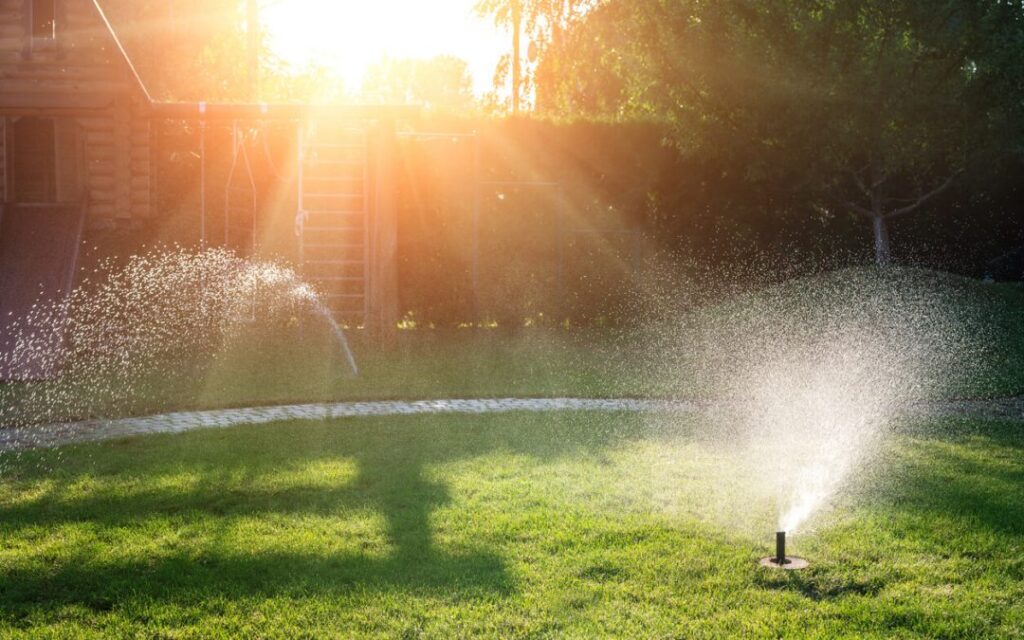
Investing in a professional sprinkler system is one of the most effective ways to protect your landscape investment and ensure a consistently healthy lawn. On Long Island, where soil types can vary dramatically from sandy coastal areas to dense clay inland, a one-size-fits-all approach simply doesn’t work. Choosing the right service for your sprinkler installation is not about finding the cheapest bid; it’s about selecting a partner who understands local conditions and can deliver a system tailored for efficiency, durability, and long-term value.
The wrong choice can lead to chronic problems: uneven watering, high repair costs, wasted water, and a patchy, struggling lawn. To avoid these pitfalls, you need a clear, methodical selection process. This guide will walk you through the critical factors to evaluate, from initial consultations to final warranties, ensuring you partner with a company that will get the job done right the first time.
Vetting Credentials and Local Expertise
Before you even discuss system design or get a quote, verifying a company’s fundamental qualifications is essential. This foundational step separates legitimate contractors from unreliable operators.
Licenses, Insurance, and Certifications
Any contractor you consider must be fully licensed to operate in New York and carry adequate insurance, including general liability and workers’ compensation. This protects you from financial liability if an accident occurs on your property. Furthermore, look for certifications from industry organizations like the Irrigation Association (IA). These credentials indicate a commitment to ongoing education and adherence to industry best practices for water efficiency and proper installation techniques.
Proven Experience on Long Island
Long Island’s unique microclimates and soil compositions demand local knowledge. A company experienced in your specific area—whether it’s the North Shore, South Shore, or the East End—will understand how local water pressure, municipal regulations, and soil drainage affect system design. Ask for examples of recent projects in your town or a neighborhood with similar lot sizes and landscaping. A contractor with deep local roots is also more likely to be available for prompt service calls and to stand behind their work.
Evaluating the Consultation and System Design Process
The quality of the initial consultation is a direct reflection of the service you can expect. A thorough site evaluation is the cornerstone of an effective irrigation system.
A reputable consultant will spend significant time on your property, not just provide a quick quote over the phone. They should examine your entire landscape, noting sun and shade patterns, soil type, plant material (grass, flower beds, shrubs), and any elevation changes. They should also review your property survey to locate underground utilities and discuss your water source—municipal water or a private well—as this impacts system design and potential costs.
The proposal you receive should be detailed and transparent. It must include a scaled drawing of the proposed zones. Each zone should group plants with similar water needs; for example, sunny turf areas should be on separate zones from shaded beds or drought-tolerant plantings. The equipment list should specify brand names and models for controllers, valves, and sprinkler heads. Crucially, the quote should be a fixed price, not an estimate, covering all parts, labor, and a clear timeline for completion. This avoids unpleasant surprises and is a mark of a professional operation like Long Island Sprinkler Installation.
Understanding Equipment Quality and Technology
The components used in your system determine its longevity, efficiency, and ease of use. A quality installer will use premium, brand-name equipment and offer modern technological solutions.
Sprinkler Heads and Valves
Not all sprinkler heads are created equal. High-quality rotors and spray heads made from durable polymers or brass are less prone to sun damage, cracking, and clogging. They provide more consistent coverage and better precipitation rates. Similarly, professional-grade valves are more reliable and easier to service than cheaper residential models. Ask your contractor why they recommend a particular brand and about the warranty provided on the parts they install.
Smart Controllers and Water Management
Modern irrigation controllers offer far more than simple timers. Smart Wi-Fi controllers can automatically adjust watering schedules based on hyperlocal weather data, preventing watering before or after rain. Many integrate with soil moisture sensors, which provide the most accurate measure of when your lawn actually needs water. Investing in this technology can lead to significant water savings—often 20-30% or more—and a healthier lawn by preventing over-watering. A forward-thinking installer will be proficient with these systems and include them as a standard or optional upgrade.
Comparing Warranties, Service, and Long-Term Value
The relationship with your irrigation company shouldn’t end when the installation crew packs up. The post-installation support offered is a critical component of long-term value.
Installation and Component Warranties
A confident contractor will offer a strong warranty on their labor, typically for one to three years. This covers issues like leaks at connections or improper head placement. Manufacturer warranties on components like controllers and valves may extend much longer. Understand exactly what is covered, the process for making a warranty claim, and whether service calls are included. Be wary of companies that offer only vague verbal assurances.
Maintenance Programs and Service Responsiveness
Even the best system requires seasonal adjustments, winterization, and occasional repairs. Inquire if the company offers a preventative maintenance program. This can be a cost-effective way to ensure peak system performance and catch small issues before they become major problems. Also, gauge their responsiveness. How do they handle service calls? Is there a dedicated service department? A company that is difficult to reach for a simple question during the sales process may be even harder to contact when you have a broken pipe or a malfunctioning zone.
A reliable partner ensures your system operates flawlessly for years, protecting the beauty and health of your landscape. For homeowners seeking this level of comprehensive care and expertise, working with a dedicated provider for Long Island Sprinkler Installation can be the decisive factor in achieving a worry-free, lush lawn.
Frequently Asked Questions
What is the average cost of a sprinkler system installation on Long Island?
Costs vary widely based on property size, complexity, and equipment. For a typical residential property, you can expect a professionally installed system to range from $3,000 to $5,000 or more. Factors that increase cost include large lot size, many planting zones, the use of a dedicated well or pump, and the inclusion of smart technology and drip irrigation for beds. Always insist on a detailed, fixed-price quote.
How long does a professional sprinkler installation take?
For an average-sized residential property, a professional crew can typically complete a new installation in 2 to 4 days. The timeline includes trenching, laying pipe, installing valves and heads, wiring the controller, and final testing. More complex landscapes or larger estates will naturally take longer. Weather and the schedule for municipal inspections can also affect the completion date.
Is a permit required for sprinkler installation on Long Island?
Yes, most towns and villages on Long Island require a permit for installing a new irrigation system that connects to the municipal water supply. A reputable contractor will handle the entire permit process—pulling the permit, scheduling the required inspections (typically a backflow prevention test and a final inspection), and ensuring the system meets all local codes. This is a key service they provide.
What is the difference between rotor and spray sprinkler heads?
Rotor heads rotate a stream of water back and forth, covering large, rectangular areas (up to 50 feet) and are best for open lawn spaces. They apply water more slowly, allowing for better absorption. Spray heads pop up and emit a fixed fan of water, covering smaller, circular or square patterns (up to 15 feet). They are used for smaller, irregularly shaped areas. A well-designed system uses both types in appropriate zones for maximum efficiency.
How does winterization work, and is it necessary?
Winterization, or blowing out the system, is absolutely critical on Long Island to prevent freeze damage. A professional uses a high-volume air compressor to force all water out of the pipes, valves, and sprinkler heads. This service is typically performed in the late fall. Attempting to do this yourself without proper equipment can damage the system. Most installers offer this as an annual service.
Can I add zones to my existing system later?
It is possible, but the feasibility depends on your existing setup. Your current water source and mainline pipe must have the capacity to support additional zones. Adding a zone typically involves tapping into the mainline, installing a new valve, running new lateral pipes, and programming the controller. Consult with your original installer or a qualified technician to assess your system’s capacity before planning additions.
Conclusion
Choosing the best service for your Long Island sprinkler installation is a deliberate process that pays dividends for years. It begins with verifying solid credentials and local experience, continues through a detailed, site-specific design phase, and hinges on the selection of quality equipment paired with modern water-saving technology. Ultimately, the true test of a provider is their commitment after the job is done, demonstrated through strong warranties and reliable service support.
By taking the time to carefully evaluate contractors against these criteria, you move beyond a simple transaction and establish a partnership. This ensures your irrigation system is not just an installed product, but a tailored, efficient, and durable asset that enhances your property’s beauty and value while conserving a vital resource. Your lawn’s health and your own peace of mind are worth the investment in choosing the right professional for the job.