
Walk into any store, and within seconds, you form an impression. This immediate, visceral reaction is no accident. It’s the direct result of a meticulously crafted physical environment where every visual element works in concert to guide behavior. For retailers, the impact of store decoration and ambient lighting on conversions is both profound and measurable. These elements do far more than make a space attractive; they shape perception, influence emotion, and ultimately, drive purchasing decisions.
This environmental psychology moves beyond aesthetics into the realm of strategic business tools. Thoughtful decoration establishes brand identity and tells a product’s story, while ambient lighting controls the pace of the shopping journey. Together, they create an atmosphere that can either repel shoppers or entice them to stay longer, explore more, and spend more. Ignoring this sensory layer of retail is akin to leaving money on the table. This analysis examines how these foundational design principles directly affect retail conversion rates.
The Psychology of the Retail Environment
Before a customer touches a product or hears a sales pitch, the store environment has already begun its work. This is the concept of atmospherics—the conscious design of a space to elicit specific emotional and physiological responses. A well-executed environment reduces cognitive load, making shopping feel effortless and enjoyable.
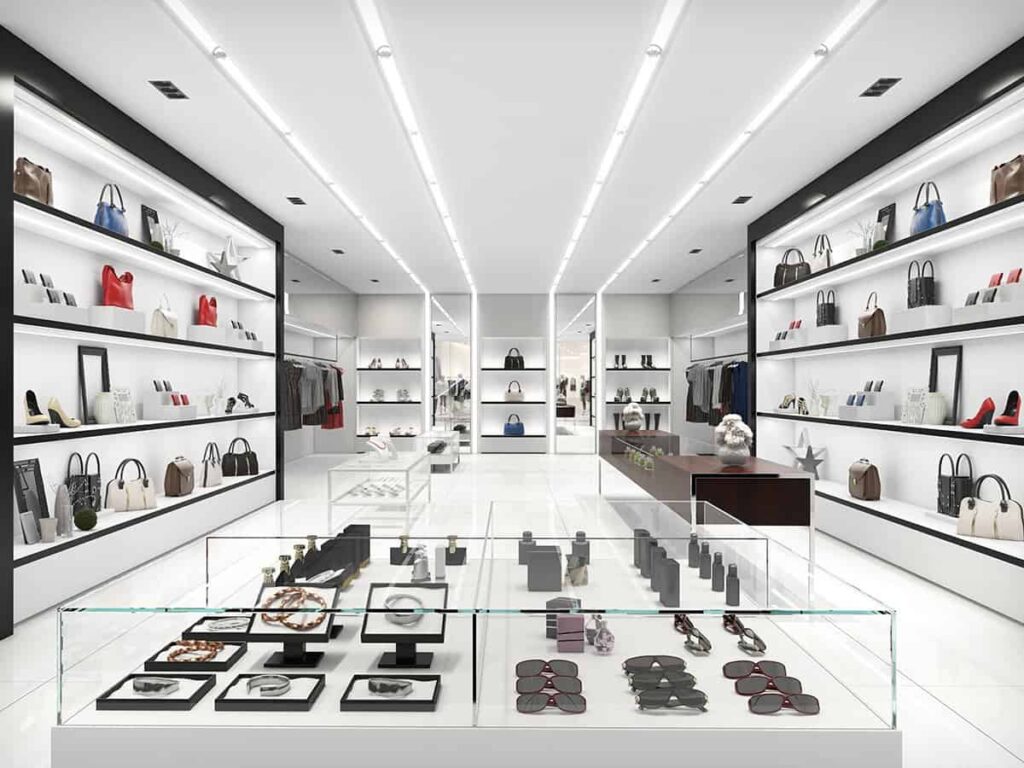
Decoration and lighting are primary drivers of this experience. They signal quality, value, and brand positioning. A minimalist, brightly lit space with clean lines communicates efficiency and modernity, often used by tech brands. In contrast, a boutique with warm, dim lighting and rich textures suggests luxury and exclusivity. This environmental messaging must be consistent; a disconnect between the brand promise and the store’s feel creates cognitive dissonance, eroding trust and prompting an early exit. The goal is to create a cohesive sensory narrative that aligns with the target customer’s self-image and aspirations.
How First Impressions Dictate Dwell Time
A customer’s decision to stay or leave is often made within the first 30 seconds. The initial visual impact—a combination of color schemes, layout clarity, and lighting quality—sets the tone. Harsh, flickering fluorescent lights can cause subconscious stress, encouraging a quick, mission-only visit. Conversely, balanced, flattering ambient lighting paired with engaging Retail Displays invites exploration. Dwell time is a critical precursor to conversion; the longer a customer remains engaged, the higher the likelihood of a sale.
Store Decoration as a Strategic Conversion Tool
Store decoration encompasses everything from wall colors and flooring materials to signage, fixtures, and thematic elements. Its primary function is to create a context that enhances product value and guides the customer journey.
Strategic decoration tells a story. For example, an outdoor apparel store might use reclaimed wood, topographic maps, and nature sounds to transport the customer, making a waterproof jacket feel like an essential tool for adventure rather than just another coat. This storytelling increases perceived value. Furthermore, decoration is crucial for wayfinding. Clear signage, defined zones, and focal points created through feature walls or installation art naturally direct traffic flow, ensuring high-margin or new products receive maximum visibility.
Decoration also directly impacts product presentation. The backdrop against which an item is displayed significantly affects its appeal. A piece of jewelry placed on a velvet tray under a focused light looks more valuable than the same piece in a crowded glass case. Effective decor minimizes visual clutter, allowing products to shine. It’s a form of visual merchandising that works silently but persistently to elevate the shopping experience from transactional to experiential.
The Science and Strategy of Ambient Lighting
Lighting is arguably the most powerful, yet frequently mismanaged, element in retail design. Ambient lighting—the general illumination of a space—sets the foundational mood. Its intensity, color temperature, and direction are all levers that retailers can adjust to influence behavior.
Color temperature, measured in Kelvins (K), is crucial. Warm white light (2700K-3000K) feels cozy, intimate, and is often used in lounges, restaurants, and boutique apparel stores to encourage relaxation and browsing. Cool white light (3500K-5000K) feels clean, alert, and efficient, making it common in grocery stores, pharmacies, and electronics retailers where clarity and accuracy are priorities. Using the wrong temperature can send conflicting signals; warm light in a supermarket might make produce look dull, while cool light in a lingerie store can feel clinical and uninviting.
Beyond temperature, lighting layers create depth and focus. A flat, uniformly bright space is uninteresting and can feel sterile. Successful retailers layer ambient light with accent lighting to highlight specific Store Fixtures or product displays, and task lighting for functional areas like checkout counters. This contrast creates visual interest, draws the eye to key merchandise, and subtly paces the customer’s journey through areas of highlight and repose. Properly executed, lighting can increase the perceived quality of merchandise by up to 30%, a direct path to higher conversion rates.
Synergy: Integrating Decoration and Lighting for Maximum Impact
The true magic happens when decoration and lighting are designed in tandem, each reinforcing the other. They should not be planned in isolation. The texture of a brick wall is lost under flat lighting but comes alive with grazing light that highlights its roughness. A sleek, modern fixture demands crisp, shadow-revealing light to emphasize its form.
This synergy is key to creating “Instagrammable” moments—intentionally designed vignettes that customers are compelled to photograph and share. These are often the result of a perfect marriage between a striking decorative element (a floral installation, a unique sculpture) and dramatic, directional lighting. This organic marketing extends the store’s reach and builds brand affinity.
Furthermore, this integrated approach allows for flexibility. Through programmable LED systems, a store can change its entire ambiance to match the time of day or a specific campaign. The same space can transition from a bright, energetic daytime feel to a warm, intimate evening setting, potentially attracting different customer segments and encouraging repeat visits to experience the variation.
Measuring the Impact on Conversion Rates
While the effects are qualitative, they must be tied to quantitative metrics. Key Performance Indicators (KPIs) to track include:
- Average Dwell Time: Measured via sensors or Wi-Fi analytics. Increases here often correlate directly with design improvements.
- Conversion Rate: The percentage of visitors who make a purchase. A/B testing different lighting schemes or decorative layouts in specific zones can reveal direct impacts.
- Average Transaction Value (ATV): Do customers spend more in the new environment? Enhanced ambiance can justify premium pricing and encourage add-on purchases.
- Sales per Square Foot: An ultimate measure of retail productivity, indicating how effectively the space drives revenue.
Retailers should adopt a test-and-learn approach. Changing the lighting in one section or introducing a new decorative theme in a pop-up format allows for controlled measurement before a full-scale, costly rollout.
Frequently Asked Questions
Can good store design compensate for higher prices?
Often, yes. A premium environment increases perceived value, which can justify a higher price point. Customers are frequently willing to pay more for an experience that feels luxurious, curated, or aligned with their identity. The environment frames the product, making it part of a desirable lifestyle rather than a mere commodity.
What is the biggest mistake retailers make with lighting?
The most common error is using a single source of uniform, overhead lighting. This creates flat, unflattering spaces with harsh shadows. It fails to highlight merchandise, makes colors look inaccurate, and can cause customer fatigue. The solution is always to implement a layered lighting plan with distinct ambient, accent, and task components.
How often should store decoration be updated?
Major thematic overhauls might coincide with seasonal changes (quarterly) or annual brand refreshes. However, smaller, tactical updates to focal points, window displays, and feature areas should happen much more frequently—every 4-8 weeks—to give regular customers a sense of novelty and encourage repeat visits.
Is warm or cool lighting better for retail?
There is no universal “better.” The choice is strategic. Warm lighting (2700K-3500K) typically works best for apparel, home goods, and restaurants to create a welcoming, relaxed mood. Cool lighting (3500K-5000K) is preferable for grocery, electronics, and DIY stores where clarity, accuracy, and alertness are needed. Many stores successfully use a mix.
Does ambient lighting affect employee performance?
Absolutely. Poor lighting leads to eye strain, headaches, and fatigue, reducing staff morale and productivity. Well-designed lighting that is comfortable for both customers and employees can improve focus, energy levels, and the overall quality of customer service, creating a better experience for everyone in the store.
How can I improve my store’s ambiance on a limited budget?
Focus on high-impact, low-cost changes. Start by replacing old fluorescent tubes with modern, dimmable LEDs in an appropriate color temperature. Introduce affordable decorative elements like plants, updated signage, or a fresh coat of paint in a strategic accent color. Ensure your existing merchandise is displayed cleanly and without clutter. Small, intentional changes can yield significant results.
Conclusion
The impact of store decoration and ambient lighting on retail conversions is a discipline that blends art with behavioral science. These elements are not merely decorative afterthoughts but fundamental components of a store’s commercial strategy. They work silently in the background to shape first impressions, control traffic flow, elevate product perception, and ultimately, make the critical difference between a browser and a buyer.
Investing in this physical sensory layer is an investment in the customer experience itself. In an era where online shopping offers unparalleled convenience, the physical store’s competitive advantage lies in its ability to create an engaging, memorable, and emotionally resonant atmosphere. By mastering the synergy between decoration and light, retailers can craft spaces that don’t just display products, but actively persuade, connect, and convert.