

For decades, the sputtering roar of a portable gas generator was the default soundtrack of a power outage. These machines provided a necessary, if disruptive, lifeline. Today, that sound is being replaced by something else: silence. A fundamental shift is underway in how homeowners prepare for grid failures, moving from combustion to clean, silent solar energy. The rapid adoption of solar generators for home backup is not a fleeting trend but a logical evolution driven by technology, economics, and a desire for simpler, safer power.
This transition is fueled by significant advancements in battery technology, particularly lithium iron phosphate (LiFePO4) chemistry, which offers longer life spans and enhanced safety. Coupled with more efficient solar panels and sophisticated power management systems, these units now provide serious, whole-home backup capabilities. They address the core frustrations of traditional generators—noise, maintenance, and fuel dependency—while offering new benefits like indoor operation and integration with smart home systems. We will examine the key drivers behind this shift, from operational costs to environmental impact, and explain why for a growing number of households, the gas generator has become obsolete.
The Core Limitations of Traditional Gas Generators
To understand the rise of solar power, one must first acknowledge the persistent drawbacks of fossil fuel models. Their problems extend far beyond mere noise.
Noise Pollution and Practical Disruption
A typical portable gas generator operates between 65 and 75 decibels from 23 feet away—comparable to the noise level of a vacuum cleaner running continuously. This creates a significant nuisance for your household and your neighbors, turning a peaceful home into an industrial zone. The sound barrier also imposes a practical limitation: generators must be placed far from living areas and windows to prevent carbon monoxide poisoning, which dictates long, cumbersome extension cord runs that can be inefficient and hazardous.
Ongoing Maintenance and Fuel Hassles
Gas generators are not “set and forget” appliances. They require regular maintenance: oil changes, spark plug replacements, air filter cleanings, and stabilizer additives for fuel that degrades over time. When the power goes out, your first task isn’t to plug in a fridge; it’s to hope the engine starts. The logistics of storing and procuring gasoline—a volatile, flammable liquid—during a widespread emergency add another layer of stress and risk. This operational friction makes reliability uncertain when it’s needed most.
The Compelling Advantages of Solar Home Backup Systems
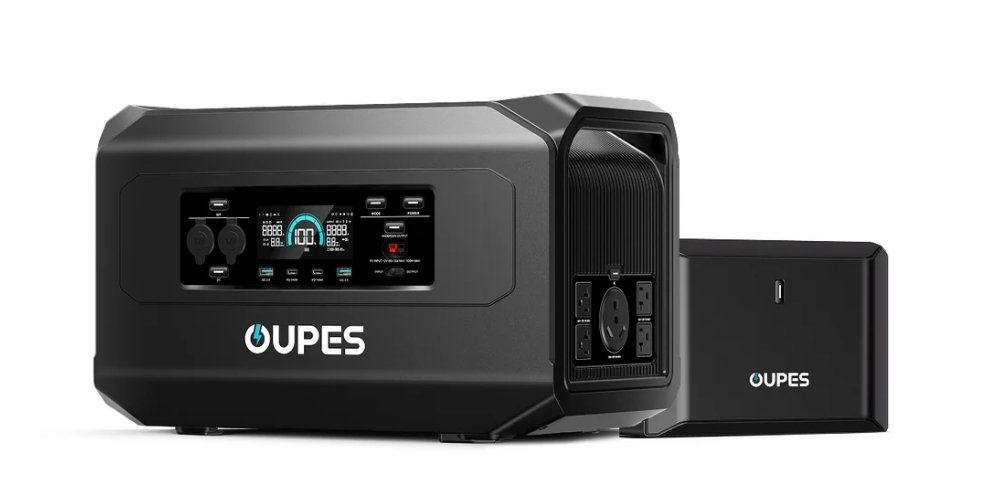
Modern solar generators—more accurately described as portable power stations paired with solar panels—solve the traditional generator’s fundamental flaws while introducing powerful new capabilities. A comprehensive solar generators for home backup system combines a high-capacity battery, a pure sine wave inverter, and multiple charging inputs into a single, user-friendly unit.
Silent and Safe Operation is the most immediate benefit. These systems produce zero emissions and no noise, allowing them to be used safely indoors, in a garage, or on a patio. You can power essential devices while maintaining a normal conversation and sleeping through the night. Safety is paramount; with no open flame, exhaust, or flammable fuel, risks of carbon monoxide poisoning or fire are eliminated.
Dramatically Lower Operating Costs is another decisive factor. After the initial investment, the “fuel” is free sunlight. A gas generator can cost $30 to $50 per day to run during an outage, depending on load and local fuel prices. A solar generator’s ongoing cost is effectively zero. There are no moving parts like engines or alternators, which translates to minimal maintenance. Beyond occasional dusting, there is no scheduled servicing, no parts to replace, and no degraded fuel to dispose of.
Key Technological Drivers Enabling the Shift
The viability of solar as a primary backup source hinges on recent technological breakthroughs. Earlier battery systems were too heavy, too expensive, and degraded too quickly.
Lithium Iron Phosphate (LiFePO4) Batteries have changed the calculus. Compared to older lithium-ion variants, LiFePO4 batteries offer superior thermal and chemical stability, greatly reducing fire risk. They routinely achieve 3,000 to 5,000 charge cycles before reaching 80% of original capacity—a lifespan measured in decades, not years. This durability makes the long-term cost of ownership remarkably low.
Rapid Solar Recharging and Smart Management ensure these systems can sustain a home through multi-day outages. Modern solar panels have conversion efficiencies exceeding 23%, meaning they can harvest more energy from limited space or weaker light. Advanced charge controllers maximize intake, while sophisticated power management systems within the unit allow users to prioritize circuits, monitor input/output via smartphone apps, and seamlessly integrate with home electrical panels through approved transfer switches.
Evaluating Your Home’s Backup Power Needs
Transitioning to solar requires a clear assessment of your energy requirements. The goal is not necessarily to replicate the grid but to sustain critical loads intelligently.
Start with an Essential Load Audit. List the devices you must power during an outage: refrigeration, a few lights, modem/router, medical equipment, a fan or small heater. Note their starting and running watts. Refrigerators, for example, may require 2,200 watts to start but only 700 watts to run. This audit provides your baseline for the inverter’s surge capacity and the battery’s usable capacity (measured in watt-hours).
Capacity and Scalability. Solar generators are modular. You can start with a unit capable of running a few essentials and recharge it via a car outlet or wall socket if sunlight is limited. For whole-home backup, larger systems can be configured with expansion batteries and multiple solar panels. The scalable nature of these home backup power solutions allows for a phased investment, unlike the all-or-nothing proposition of a large standby gas generator.
The Economic and Environmental Impact Equation
The financial argument for solar generators strengthens every year. While the upfront cost of a robust solar setup can be higher than a comparable portable gas generator, the total cost of ownership tells a different story. Factor in five years of fuel, maintenance, potential repairs, and the inevitable replacement of the gas unit, and the solar system often becomes the more economical choice within its lifespan.
Environmentally, the contrast is stark. Gas generators are a significant source of local air pollutants like nitrogen oxides and particulate matter. A solar generator, once manufactured, has a nearly zero operational carbon footprint. By choosing solar, homeowners directly reduce localized emissions during outages, contributing to cleaner air in their community, especially during disasters when grid power is often replaced by fossil fuels elsewhere.
Frequently Asked Questions
What can a solar generator realistically power during an outage?
It depends entirely on the unit’s capacity. A mid-sized system (2,000-3,000 watt-hours) can typically keep a refrigerator running, charge phones and laptops, power LED lights, and run a TV or small fan for 24-48 hours on a single charge. Larger whole-home systems can sustain sump pumps, well pumps, and even heating systems when paired with sufficient solar panels for daily recharging.
How long does it take to recharge a solar generator with panels?
Recharge time varies by battery capacity, solar panel wattage, and sunlight conditions. A common configuration—a 2,000-watt-hour power station with 400 watts of solar panels—can fully recharge in 5 to 8 hours of direct, optimal sunlight. Using multiple panels in parallel or higher-wattage panels can significantly reduce this time.
Can I use a solar generator in cloudy weather or at night?
Yes. The system stores energy in its battery for use anytime, day or night. While solar charging is slower on cloudy days, it still occurs. Most systems also offer the flexibility to recharge via a wall outlet or a car charger, providing multiple pathways to keep the battery topped up regardless of weather.
Are solar generators safe to use indoors?
Absolutely. Unlike gas generators, which emit deadly carbon monoxide and must be placed outdoors far from any opening, solar generators produce no emissions. They are designed to be safe for indoor use, allowing you to keep them in a garage, basement, or even a living space for easy access to outlets.
How does the lifespan of a solar generator compare to a gas model?
A well-maintained gas generator may last 1,500 to 3,000 operating hours before requiring major overhaul or replacement. A solar generator with a LiFePO4 battery can last for thousands of charge cycles—often equating to 10+ years of regular use with minimal degradation. There are no engines to wear out, making the solar unit far more durable over the long term.
Do I need an electrician to install a solar generator?
For basic portable use—plugging devices directly into the unit’s outlets—no installation is needed. For powering hardwired home circuits (like lighting or kitchen outlets) via a transfer switch, a licensed electrician must perform the installation to ensure it complies with local electrical codes and is safe for your home and utility workers.
Conclusion
The move from gas to solar for home backup power is a clear example of superior technology displacing an incumbent standard. Solar generators address the acute pain points of noise, fumes, and maintenance while delivering silent, clean, and increasingly cost-effective power. They represent not just an alternative, but an upgrade in reliability, convenience, and safety.
As battery technology continues to improve and costs decline, this transition will only accelerate. For homeowners evaluating their preparedness strategy, the question is no longer whether solar is a viable option, but whether the drawbacks of sticking with a traditional gas model are still acceptable. The future of home backup is quiet, clean, and powered by the sun.